Hybrid Movie Recommender
Content-based, collaborative and hybrid recommenders for 2015–2025 releases.
Collects movie data through APIs and scraping, engineers features, models text with TF-IDF, factorizes the rating matrix and fuses both scores into a hybrid recommender. Includes exploratory analysis and RMSE evaluation for the collaborative model.

README · rendered from GitHub
Hybrid Movie Recommender System






Project Overview
This project implements a Movie Recommender System using Content-Based Filtering, Collaborative Filtering, and a Hybrid Recommendation approach. The system focuses on high-rated movies released between 2015 and 2025 and leverages both movie metadata and user–movie interaction data to generate accurate and personalized recommendations.
Objectives
- Build a content-based recommender using movie metadata
- Build a collaborative filtering model using user ratings
- Combine both approaches into a hybrid recommender system
- Evaluate recommendation quality using ranking-based metrics
Dataset Description
Data Sources
- TMDB API – Movie metadata (titles, overview, genres, cast, keywords)
- MovieLens Dataset – User–movie rating interactions
- IMDb (Scraping) – Scraping pipeline implemented (reviews optional)
Filtering Criteria
- Release years: 2015–2025
- Minimum rating: 6.0
- Minimum vote count: 50
Generated Files
| File Name | Description |
|---|---|
movies_2015_2025.csv | Raw movie metadata from TMDB |
movies_tmdb_enriched.csv | Enriched metadata (genres, cast, keywords) |
ratings_for_cf.csv | User–movie ratings for collaborative filtering |
movies_master.csv | Final dataset with combined textual features |
Methodology
1. Content-Based Filtering
- Feature engineering using movie overview, genres, keywords, cast
- Unified text feature:
combined_text - TF-IDF vectorization
- Cosine similarity for movie-to-movie recommendations
2. Collaborative Filtering
- User–item interaction matrix from MovieLens
- Matrix factorization (SVD) using Surprise library
- Personalized rating prediction
3. Hybrid Recommendation
- Weighted fusion of content-based and collaborative scores
- Fusion parameter α controls contribution of each model
Final Score = α × Content Score + (1 − α) × Collaborative Score
Evaluation Metrics
The system was evaluated using ranking-based and prediction metrics:
- HitRate@5
- HitRate@10
- MRR@5
- RMSE (for collaborative filtering)
Performance Highlights
- HitRate@10 ≈ 0.95
- HitRate@5 ≈ 0.92
- MRR@5 ≈ 0.90
- Best performance achieved at α ≈ 0.7–0.9
- Hybrid model significantly outperformed collaborative-only (Surprise) baseline
Tools and Technologies
- Programming Language: Python
- Libraries: Pandas, NumPy, Scikit-learn, Surprise
- Data Sources: TMDB API, MovieLens
- Web Scraping: BeautifulSoup
- Visualization: Matplotlib
- Environment: Kaggle, Jupyter Notebook
- Version Control: Git, GitHub
Ethical Considerations
- Only public and academic datasets were used
- Ethical and rate-limited web scraping
- No personal or sensitive user data collected
- Project developed strictly for educational purposes
Future Work
- Deep learning–based recommenders (Neural CF, embeddings)
- Real-time user feedback integration
- Web or mobile application deployment
- Larger and multilingual datasets
Authors
- Awais Asghar
- Ahmad Hussain
- M. Hammad Sarwar
⭐ Acknowledgments
- TMDB for providing the movie metadata API
- GroupLens Research for the MovieLens dataset
⭐ If you find this project useful, feel free to the repository ⭐
More in AI / ML
Related projects
 Private repoAI / MLSummer 2026
Trans-Neptunian Object Detection
A spatiotemporal U-Net that finds faint moving objects in telescope image sequences.
- PyTorch
- Python
- HDF5
- CANFAR
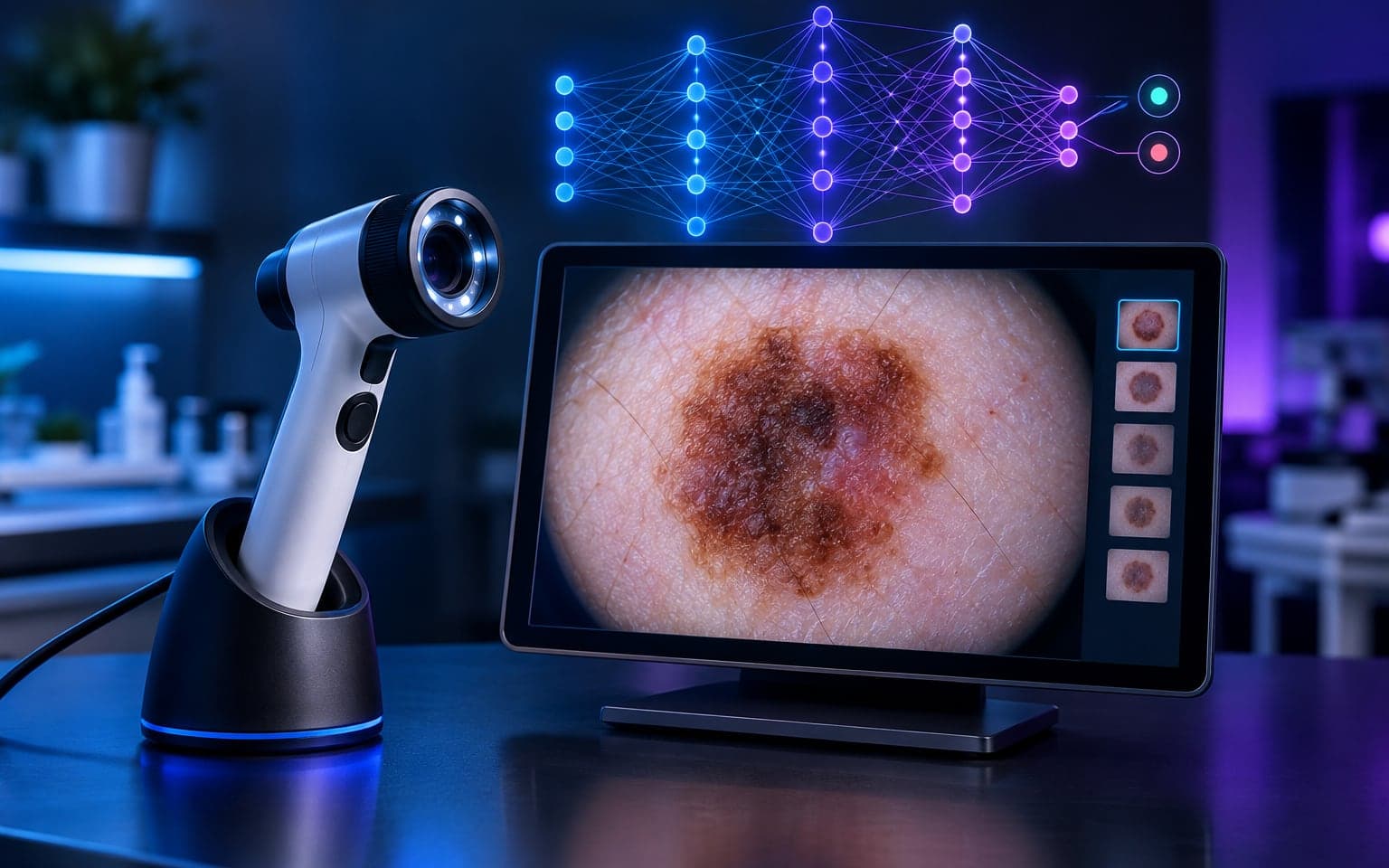 AI / ML2023
SkinSense: Skin Cancer Classifier
An ensemble of five models labels a lesion as benign or malignant from one RGB image.
- Python
- Scikit-learn
- XGBoost
- LightGBM
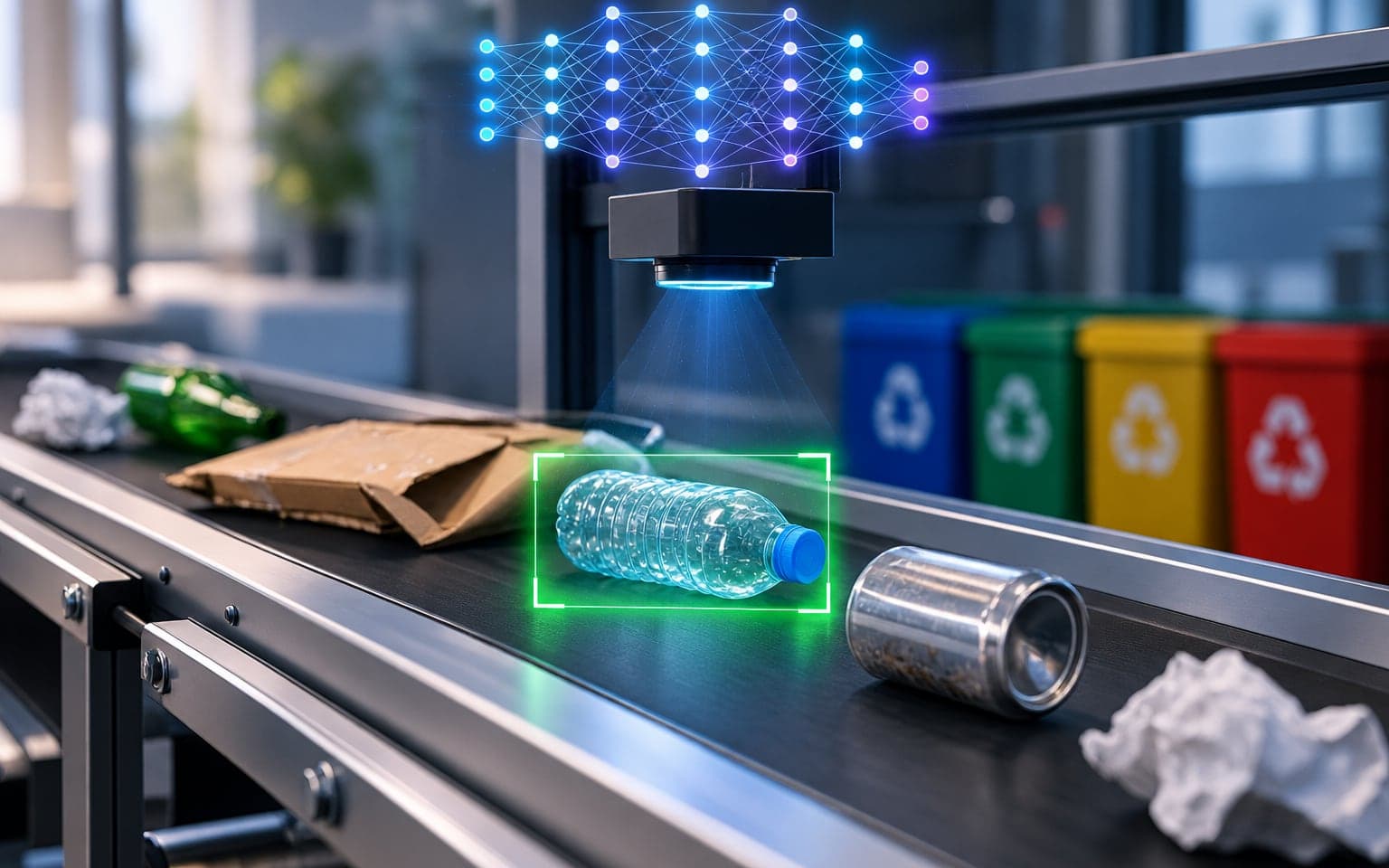 AI / ML2025
RecycleVision
EfficientNetB0 transfer learning sorts waste into six recyclable categories.
- Python
- TensorFlow
- Keras
- EfficientNetB0